

Driving in the Dominican Republic: Rules, Tips, and Common Tourist Mistakes
Driving in the Dominican Republic: What Tourists Should Expect
Driving in the Dominican Republic as a tourist is a very different experience compared to driving in Europe or North America. Traffic is more dynamic, rules are interpreted with flexibility, and driving relies as much on intuition as on road signs.
The Dominican Republic is one of the most important tourist and cultural destinations in the Caribbean. In the Americas—and especially in the Dominican Republic—you can find some of the continent’s earliest colonial buildings, highlighting the country’s historical and architectural significance. Unlike Spain, where fuel prices are uniform nationwide, gas prices in the Dominican Republic can vary significantly depending on the region.
If you’re planning your trip in January—one of the best times to visit the country—this practical guide will help you reduce risks, avoid common mistakes, and drive with confidence from day one.
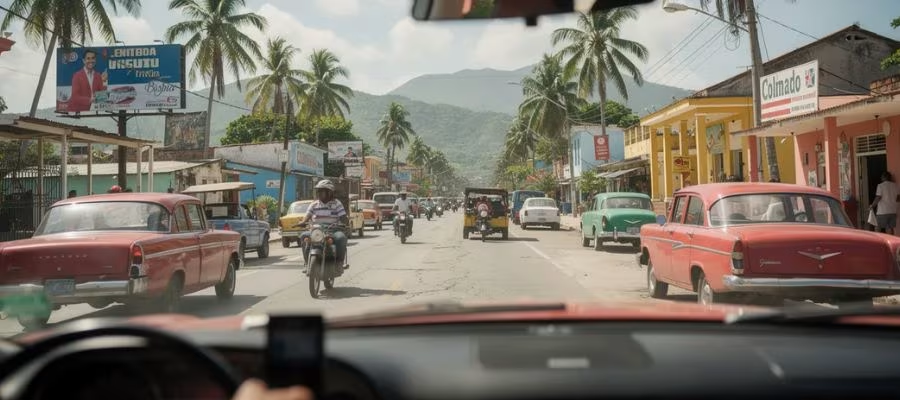
What You Should Know Before Driving in the Dominican Republic
Driving as a tourist can be safe and practical if you understand the unwritten rules of the road. The Dominican Republic is one of the Caribbean’s most important tourist and cultural destinations, with a rich history and unique attractions. Many travelers run into trouble by assuming everything works the same way as back home—and that’s where problems begin.
Keep in mind that your driving experience can directly affect your quality of life and road safety during your stay on the island. In the DR (Dominican Republic), driving culture is characterized by low traffic discipline and a perception of impunity, making it even more important to understand local rules.
In this guide, you’ll find:
Official rules you must follow
Real local driving tips (roundabouts, pedestrians, weather, signage)
The most common tourist mistakes
Recommendations for renting a car without surprises
Quick FAQs to answer common questions
At the end, we’ll show you how to rent a vehicle with confidence and local support.
Introduction to Driving in the Dominican Republic
Santo Domingo, Dominican Republic, is one of the Caribbean’s most vibrant destinations perfect for travelers who want to explore the island at their own pace. Driving in the Dominican Republic allows you to discover hidden beaches, authentic towns, and Caribbean landscapes that aren’t always accessible by public transportation.
Many routes also offer stunning ocean views and coastal scenery, letting you enjoy the visual appeal of the road while driving. However, traffic on the island can be unpredictable and very different from what many visitors expect. That’s why, before getting behind the wheel, it’s essential to understand the particularities of driving in the Dominican Republic and prepare for a unique Caribbean experience. Here are the key tips to make your road trip safe and memorable.
Basic Driving Rules in the Dominican Republic (Official)
Although daily driving may seem chaotic, there are clear laws every tourist should know. Road conditions in the Dominican Republic vary significantly: some highways are well maintained, while secondary roads may have potholes and limited upkeep, differing from other countries in the region.
Traffic signage is regulated by Law 63-17, although compliance is not always perfect. In the Dominican Republic, driving is on the right-hand side.
Speed Limits
Urban areas: 40–60 km/h
Secondary roads: 60–80 km/h
Highways: 100–120 km/h
Local tip: Many drivers ignore these limits, but fines are enforced for tourists.
Required Documentation
You should always carry:
Passport
A valid driver’s license from your home country (Spanish licenses are accepted; the Spanish driving license is particularly important, as most rental agencies and insurance companies in the Dominican Republic recognize and require it for contracts and coverage)
Vehicle rental agreement
Credit card (mandatory for rental and deposit)
International driving permit (recommended)
👉 To rent a car in the Dominican Republic, you must present a passport and a credit card. While a Spanish license is usually sufficient, carrying an international driving permit is recommended to avoid inconvenience.
Alcohol and Driving
Legal limit: 0.5 g/l
Frequent checkpoints on weekends and holidays
Common mistake: Thinking “one beer is fine.” Here, it’s not.
Car Rental in the Dominican Republic
Renting a car in the Dominican Republic is one of the best ways to explore the island freely. You’ll find a wide range of car rental companies, such as Jumbo Car in Santo Domingo, offering options for different budgets and preferences.
Car rental companies include both multinational brands and local providers. Vehicle category selection (compact, SUV, or premium) affects availability and price. Before booking, compare prices and review what’s included, such as insurance and roadside assistance.
Rental prices vary, but as an example, a one-week rental may cost around USD 450. It’s essential to read the contract carefully and meet requirements such as the minimum age (21 years) and holding a valid driver’s license. Some companies may require an international permit. Booking in advance usually ensures better prices and availability, especially during high season.
Real Local Driving Tips for Tourists
This is where many articles fall short. These tips don’t usually appear in generic guides, but they make a real difference. Driver experience is key to ensuring safety while traveling around the Dominican Republic.
Adopt defensive driving habits and always be prepared for unpredictable maneuvers from other drivers. Driving in the Dominican Republic can be risky due to high accident rates.
Motorcycles are especially unpredictable: riders often travel without lights, carry multiple passengers, and don’t wear helmets—posing a serious safety risk.
It’s also recommended to avoid driving at night due to poor lighting, limited signage, and the possibility of animals on the road. To minimize risks and receive real-time traffic alerts, using an app like Waze is highly recommended.
If you have questions or want to share your experience driving in the Dominican Republic, feel free to leave a comment below. Your input can help other travelers prepare better for their trips.
How Roundabouts Really Work
In theory:
Vehicles already inside have the right of way.
In practice:
Whoever dares first goes
Tips:
Reduce speed
Use turn signals
Maintain eye contact with other drivers
Pedestrians and Motorcyclists
Pedestrians cross anywhere
“Motoconchos” ride between lanes without warning
Always keep distance and anticipate sudden moves.
Weather and Road Conditions
In January, rainfall is lower, but:
Asphalt can become slippery
Open drains or potholes may appear after rain
Drive slower than you think necessary.
Traffic Signs: How to Interpret Them
Signs exist, but they’re not always respected.
“Stop” signs may be more symbolic than mandatory
Traffic lights may fail (especially outside cities)
Horns are a form of communication, not aggression
If someone honks, it’s usually a warning—not an argument.
Common Tourist Driving Mistakes
Avoid these typical errors:
Relying only on Google Maps without watching the road
Driving at night in rural areas without experience
Sudden braking (anticipation is safer)
Arguing after a minor incident
Not purchasing full insurance coverage
In case of a minor accident, contact the rental company before taking action. Always complete a damage report and document the situation according to the rental company’s instructions.
Driving in Santo Domingo: Challenges and Recommendations
Santo Domingo, the capital of the Dominican Republic, is known for its energy and heavy traffic. Driving here requires patience and attention, especially during rush hours. The Colonial Zone has narrow streets and heavy pedestrian traffic, so drive slowly and stay alert.
Some travelers report experiences of police corruption, where officers attempt to solicit bribes instead of issuing official fines. It’s best to remain polite, calm, and cooperative if stopped.
Driving Conditions in Punta Cana
Punta Cana is one of the most visited destinations in the Dominican Republic, and driving allows you to explore beaches, cenotes, and hidden spots at your own pace.
Highways connecting Punta Cana to Santo Domingo or La Romana are generally in good condition, allowing speeds up to 100 km/h. However, secondary roads may be narrower, winding, and have unexpected potholes—so reduce speed and increase following distance.
Traffic is generally calmer than in Santo Domingo, but motorcycles are everywhere and often unpredictable.
Many highways are toll roads, payable in cash at toll booths, so keep local currency handy.
If stopped by traffic police, remain calm and present your documents. Follow legal procedures and avoid any attempt at bribery.
Summary Table: Driving as a Tourist Without Issues
Key Aspect | Practical Recommendation |
Roundabouts | Enter decisively and cautiously |
Pedestrians | Expect unexpected crossings |
Motorcycles | Check mirrors constantly |
Weather | Reduce speed in rain |
Insurance | Always choose full coverage |
Peak Hours | Avoid rush hours (7–9 / 17–19) |
FAQ – Frequently Asked Tourist Questions
Is driving in the Dominican Republic dangerous?
No, if you drive defensively and understand the local style.
Can tourists rent cars in Santo Domingo?
Yes, it’s one of the best ways to explore beaches and towns.
Automatic or manual car?
Automatic,especially in cities and heavy traffic.
Is driving at night recommended?
Only in urban areas or well-lit main highways in Santo Domingo.
Conclusion: Is Driving in the Dominican Republic Worth It?
Yes. Driving in the Dominican Republic as a tourist is an excellent way to travel freely—provided you’re well informed. Knowing the rules, adapting to the local driving style, and avoiding common mistakes reduces stress and improves your experience from the very first mile.
If you’re looking for reliable car rental in Santo Domingo, service in your language, and local support, we recommend booking in advance at Jumbocar
Traveling in January and want to avoid surprises behind the wheel? Book your car easily through our online platform, manage everything in just a few steps with local experts, and drive with peace of mind from day one.
