

Tolls and Gas Prices in the Dominican Republic: A Practical Road Trip Guide
How Tolls and Fuel Costs Shape Your Road Trip
Understanding tolls and gas prices in the Dominican Republic is essential if you plan to explore the country by car. From modern highways like Las Américas Highway, city bypasses, and scenic routes connecting key regions such as El Cibao, proper planning makes all the difference.
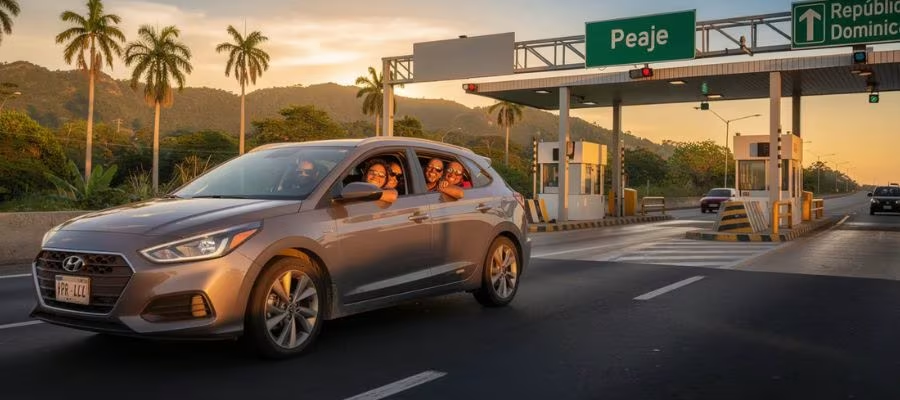
The Cibao region is a major hub in the road network, linking Santiago de los Caballeros, Puerto Plata, Nagua, and Las Terrenas, and providing access to both tourist and urban destinations. Toll booths are usually located in strategic municipalities such as Santo Domingo Este, and it’s important to carry cash, as many toll stations do not accept cards.
Toll prices are generally affordable, but El Catey toll (Samaná) is the most expensive in the country, ranging from RD$400 to RD$1,600 depending on vehicle category. Tolls and highways are managed by the MOPC (Ministry of Public Works and Communications), which uses the collected funds to maintain road infrastructure.
Vehicles are classified by axle count and load, which explains why trucks pay higher fees. To avoid issues, it’s essential to plan ahead, use an updated map, and check gas stations before leaving, as GPS apps may fail in certain areas and road conditions can vary.
This practical guide explains:
toll costs (from RD$60 for light vehicles up to RD$1,600 for trucks),
gas prices (around RD$275 per gallon, the same nationwide and adjusted weekly by the government),
and the best apps to support your road trip.
Driving can be challenging due to heavy traffic, a high number of motorcycles (many without helmets), and frequent disregard for traffic lights. Avoid driving at night, as poor lighting and higher accident risks are common.
Driving in the Dominican Republic: What to Expect
Driving in the Dominican Republic allows you to experience everything from busy city centers to stunning beaches like Punta Cana. Roads are improving steadily, but traffic congestion around major cities is common. Planning travel times carefully is key.
Car Rental
Renting a car is one of the most convenient ways to explore the country. International companies such as Jumbo Car operate at major airports and in cities like Santo Domingo Rental prices vary depending on vehicle type, fuel, and rental duration. Always check that insurance is included and review the contract carefully.
Safety and Traffic Rules
Traffic regulations are similar to those in many countries:
100 km/h on highways
60 km/h in urban areas
Police checkpoints are common, especially near tolls. Keep your driver’s license, rental contract, and insurance documents with you at all times.
Weather Conditions
Hurricane season runs from June to November and can bring heavy rain. Check the weather forecast before driving, especially in mountainous regions.
Tolls in the Dominican Republic: Prices and Main Routes
Highway | Route | Toll booths | Approx. price |
Duarte Highway | SD – Santiago | 4 | RD$60–80 |
Eastern Highway (incl. Las Américas) | SD – Punta Cana | 3 | RD$100–120 |
Sánchez Highway | SD – Barahona | 2 | RD$50–70 |
El Catey | Samaná | 1 | RD$400–1,600 |
💡 Tip: Most tolls accept cash only (Dominican pesos).
Fuel Types in the Dominican Republic
Fuel | Recommended for | Average price |
Premium Gasoline | SUVs and modern cars | RD$305–320 |
Regular Gasoline | Compact cars | RD$280–295 |
Diesel | 4x4 and large vehicles | RD$250–265 |
Fuel prices are uniform nationwide and updated weekly by the government.
Useful Apps for Driving
Google Maps / Waze
MICM RD (official fuel prices)
Paso Rápido
How Much Does a Road Trip in the DR Cost?
Item | Estimated cost |
Fuel | RD$6,000–8,000 |
Tolls | RD$600–800 |
Snacks | RD$1,000 |
A 15-day trip per person can cost around €2,053, including accommodation, food, activities, car rental, tolls, and transport.
Conclusion
Planning tolls and fuel costs in the Dominican Republic allows you to enjoy the road with peace of mind. With the right information, the road trip becomes part of the adventure.
