

Foodie road trip : From the Punta Cana culinary scene to the authentic markets of Higüey
Most travelers know the Dominican Republic for its picture-postcard beaches, but many are unaware that the island hides a vibrant gastronomic heritage. Dominican cuisine is a crossroads of landscapes and flavors where Creole, Spanish, African, and Taíno influences mingle. While the major resorts offer international fare, it is by getting off the beaten path, at the wheel of your own rental vehicle, that you will discover the island's true culinary treasures.
For this month of July 2026, we offer you a short but flavor-intense itinerary. We will start from the best coastal addresses to know where to eat in Punta Cana before heading inland for a total cultural immersion. Final destination: the capital of the La Altagracia province, to experience authentic Higüey: basilica, market & local flavors. Get your taste buds ready, we are off on an unforgettable culinary journey.
🍳 Want to explore the island at your own pace and find the best addresses? [Discover our available vehicles for your foodie road trip]
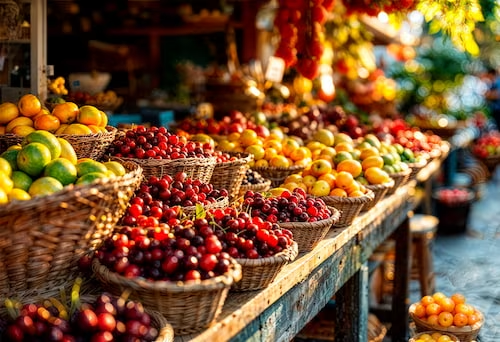
1. 🍽️ First step: The culinary diversity of Punta Cana
Before hitting the road inland, take the time to explore the local gastronomic scene. Long limited to hotel restaurants, the area now offers an incredible variety of independent tables that are well worth the detour. This is the perfect opportunity to answer the essential question asked by all epicureans: donde comer en punta cana to soak up the Creole culture?
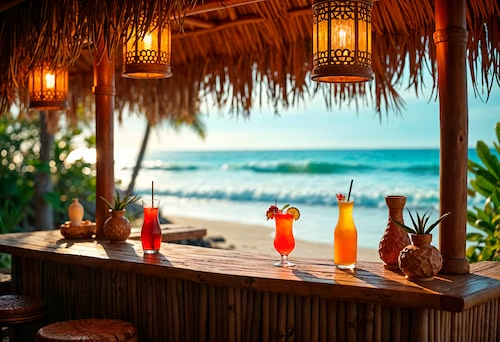
↳ Where to eat in Punta Cana for an authentic lunch?
To escape the standardization of hotel buffets, take the wheel of your rental car towards the dynamic area of Los Corales, the prestigious Cap Cana Marina, or the charming Punta Cana Village. There you will find small beach shacks (chiringuitos) as well as warm local bistros serving the fresh fish of the day with your feet in the sand.
For total immersion, park near Los Corales beach and step inside La Posada de Gladys, a true local institution (a comedor) renowned for its no-nonsense family cooking. If you are exploring Punta Cana Village, stop by Playa Blanca Restaurant to savor refined Creole cuisine facing turquoise waters, or take a seat at Langosta del Caribe to taste the best seafood caught that very morning.
The dishes not to miss: the famous pescado con coco (a whole fish—often snapper or grouper—fried and then smothered in a smooth reduction sauce made of coconut cream, bell peppers, and Creole spices), a must-try specialty of the East Coast.
The rustic alternative: order a traditional Mofongo (a hearty mash of fried green plantains, crushed in a mortar with garlic and broth, shaped into a dome and served with crispy pork rinds called chicharrón). The most adventurous foodies can opt for Mofongo de camarones (with shrimp) to link land and sea.
The lunch choice: the undeniable la bandera dominicana, the daily national meal of the locals, consisting of white rice, stewed red beans (habichuelas), braised meat (carne guisada), and fried plantains (fritos verdes or totones).
2. 🚗 On the road to Higüey: Must-visit foodie stops
Leaving the coastline via the main highway at the wheel of your Jumbo Car vehicle, the landscape changes rapidly. Large resorts and palm trees give way to agricultural plains, rolling green hills, and cattle ranches in the La Altagracia province. Driving here allows you to enjoy the best excursion to Higüey from Punta Cana in complete independence.
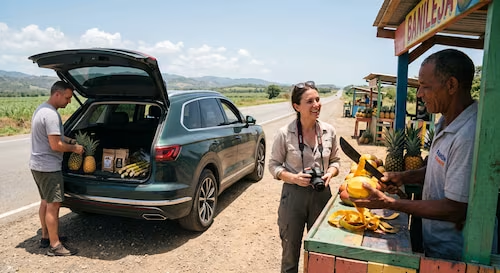
↳ Tropical fruit stalls and paradas: The essence of the road
Along the pavement of the Autovía del Este, opportunities to stop for a gourmet break are legion. Leaving the hotel zone behind in your Jumbo Car SUV opens the doors to an incredibly rich roadside gastronomy. Park your vehicle safely on the wide shoulders to meet the fruteros (fruit sellers). Their colorful stalls overflow with perfectly ripened produce: ultra-sweet La Vega pineapples, juicy and fragrant Banileja mangoes, or chinas (local oranges) that the sellers skillfully peel before your eyes using a large machete.
It is the perfect place to order a fresh batida: this famous local smoothie blends tropical fruits (like lechosa / papaya, or zapote) with evaporated milk (leche evaporada), cane sugar, and crushed ice. A true explosion of freshness under the July heat!
Be sure to also make an essential stop at a parada (a typical roadside diner, heir to Spanish and Creole traditions). These huge roadside cafeterias, such as the famous Parada El Choco or the popular stops near La Romana, are the beating heart of Dominican travel. It is the ideal place to observe local life and enjoy empanadillas or catibías (cassava flour turnovers) stuffed with melted cheese, spiced chicken, or shrimp, deep-fried to order before your eyes in large cast-iron cauldrons (calderos).
To accompany these crispy snacks, order a cafecito dominicain at the counter: this black coffee, traditionally brewed in a greca, is served very strong and intensely sweet in small cups. A single sip is enough to top up your energy and get back on the road.
If time permits, do not just stick to the main highway. Turn off to plan a day in Higüey, the Yuma River, lunch, and a craft demonstration. Heading towards the banks of the Yuma River and the surrounding small rural villages like San Rafael del Yuma or Boca de Yuma, you will measure the full richness of the countryside. You can enjoy wild grilled fish by the water, observe the artisan making of cigars or chocolate, and discover the unique hospitality of the Dominican rural areas.
3. 🍍 Total immersion: The buzz of the Higüey market
Welcome to the heart of vibrant Dominican life. Arriving in Higüey by car immediately plunges you into a rhythmic, warm, and deeply authentic atmosphere, light-years away from the standardized tourist tours of the resorts. The city's large public market (Mercado Municipal) is the true economic, social, and cultural heart of the La Altagracia region.
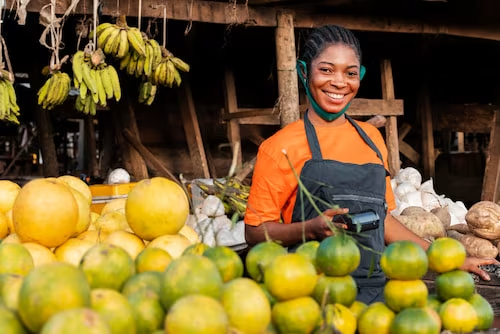
As soon as you park your Jumbo Car vehicle nearby, your senses awaken: the hum of engines, the bachata music drifting from the shops, and the voices of vendors calling out to passersby create a typically Caribbean sensory backdrop.
↳ The experience of markets in the Dominican Republic
The Higüey market is a permanent festival of bright colors, traditional scents, and local life scenes. It is here, at dawn (around 5:00 AM or 6:00 AM), that the chefs from the grand restaurants of the Punta Cana coast and local families come to negotiate and stock up on fresh produce. If you are looking to discover the best of Higüey Markets, bazaars, and souks 2026, this is the absolute address to plug into your GPS.
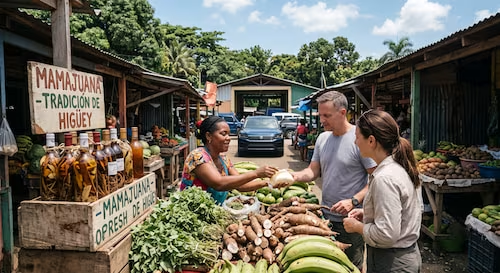
Here, there is no staging for tourists, but a raw, living, and generous market. Wooden stalls bend under the weight of goods, and the central aisle plunges you into a labyrinth of flavors that defines the very essence of Dominican cuisine.
↳ What you will find there: The pillars of creole gastronomy
Strolling through the aisles, you will discover the secret ingredients that make up the dishes you tasted on the coast:
Mountains of local spices: the essential wild Dominican oregano (orégano poleo), recognized for its rarely intense aroma, the ají gustoso pepper (a small sweet pepper indispensable for flavoring the national stews), and braided garlic cloves.
Tropical roots (los víveres): the foundation of the local diet, you will observe piles of yucca (cassava), yautía (taro), ñame (yam), and batata (sweet potato). These are the tubers that give all the body to the famous Sancocho, the national soup.
Plantains in all their forms: massive bunches of plátanos verdes (used for tostones) sit alongside sweet yellow ripe plantains, as well as the small sweet bananas called guineos.
↳ The Jumbo Car guide tip: Dare to exchange and taste
To experience this like an islander, do not remain a mere observer: take the time to chat with the local vendors. Naturally extremely warm, they will be delighted to introduce you to local traditions:
The secrets of Mamajuana: On the traditional remedy stalls, vendors will explain the exact composition of Mamajuana. You will see bottles filled with dry roots and barks (bejucos). They will pass on the ideal recipe for you to macerate it at home: one-third dark rum, one-third sweet red wine, and one-third pure honey. An authentic souvenir to slide into your car trunk!
Cutting the queso de hoja: Stop near the dairy vendors to try queso de hoja. This traditional artisanal cheese, native to the cattle plains of the East, is a kind of local mozzarella pulled by hand that peels off in layers (or "leaves"). The vendors will gladly cut you a fresh piece: its slightly salty and elastic texture is a pure delight, often eaten at breakfast with mashed plantains (mangú).
🚙 To easily carry your purchases of fruits, coffee, and local spices, opt for a spacious model: [Check out our rates for SUVs and sedans with a large trunk]
4. 🔑 Why a rental car is the key to this culinary journey
If you want to understand the soul and traditions of a country, you need to be mobile and flexible. A journey placed under the sign of gastronomy and discovery does not tolerate the schedule constraints or timed stops of tour buses.
↳ The freedom to stop at the perfect moment
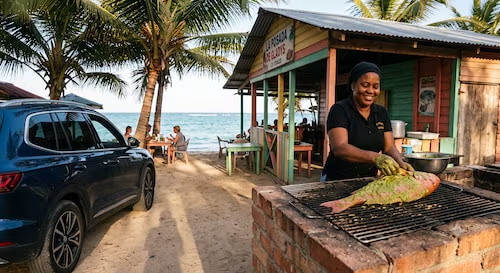
The best experiences of mercado en República Dominicana and the finest local tables are often not listed on tourist apps. It is that little wisp of white smoke escaping from an open-air barbecue by a country road that will signal the best smoked chicken (pollo al carbón) of your trip. Having your own Jumbo Car vehicle allows you to stop instantly as soon as a good aroma catches your attention.
↳ Comfort for your supplies and foodie souvenirs
Visiting the stalls of Higüey inevitably makes you want to bring back souvenirs with strong gourmet value: bags of mountain coffee beans, pure cacao tablets, bottles of aged rum, or liquid vanilla. Having a spacious, secure trunk and an air-conditioned cabin protects your precious purchases from the tropical heat while you continue to visit the city's iconic monuments, such as the famous Basilica of Our Lady of Altagracia.
💬 FAQ: Answers to your questions on gastronomy and excursions
What is the best excursion in Punta Cana?
The best excursion is the one that takes you off the beaten path to discover the cultural reality of the island. A road trip combining a visit to the historic city of Higüey, the discovery of its public market, and a lunch of Creole specialties is ideal for a deeply immersive experience, far from mass tourism.
What are the must-visit markets in the Dominican Republic?
The public market in Higüey is a must-visit in the east for its authenticity. If you travel across the country, the Model Market (Mercado Modelo) in Santo Domingo and the central market in Santiago are also major stops to discover the spices, crafts, and typical produce of the island.
What is the typical drink of Punta Cana?
The typical drink par excellence is Mamajuana, an elixir made from macerated plants, rum, red wine, and honey, renowned for its medicinal and aphrodisiac properties. On the beach, the freshness of pure coconut water (agua de coco) drunk straight from the nut also remains a coastal staple.
What are the 5 must-see and must-do things in Punta Cana?
Enjoy the white sand beaches of Playa Bávaro and Juanillo.
Venture on a road trip to the Basilica and market of Higüey.
Swim in the turquoise waters of the Hoyo Azul cenote.
Taste fried fish with coconut sauce at a local chiringuito in Los Corales.
Take a catamaran excursion to the paradisiacal Saona Island.
Is it easy to park near the Higüey market?
The market area is very lively and traffic can be dense in the middle of the day. We advise you to arrive early in the morning (around 8:00 AM) to easily find a parking space in the adjacent streets or to use the monitored parking lots downtown, located a few minutes' walk from the basilica and the market.
Can you pay by credit card in markets and paradas in the Dominican Republic?
No, cash (in Dominican Pesos, DOP) is absolutely indispensable for purchases at street markets, fruit stalls, and small roadside diners. Keep small denominations (100, 200, or 500 pesos bills) in your wallet, as vendors rarely have change for 1,000 or 2,000 pesos bills. Credit cards, on the other hand, are accepted without problem in most restaurants and shops in Punta Cana.
Is street food safe for travelers in the Dominican Republic?
Yes, provided you follow a few simple rules of common sense. Always favor street stalls that display a high turnout of local customers (this is the best guarantee of freshness and rapid stock rotation) and make sure that meats, empanadas, or fish are cooked or fried directly in front of you under high heat.