

What to Pack and Check Before a Dominican Republic Road Trip
A practical guide + realistic checklist for a stress-free trip
A road trip is one of the best ways to experience the Dominican Republic, but it takes more than excitement and a car. Good preparation is the difference between a smooth journey and a trip full of avoidable surprises.
This guide is built for real travelers: clear, human, and actionable. Before you hit the road, you’ll want the right info on flights, lodging, and the essentials that actually matter once you’re driving. This is not an idealized list, it’s what you truly should bring and check before turning the key.
Why preparing matters in the Dominican Republic
The Dominican Republic is incredibly diverse: beaches, mountains, rural zones, fast highways, and rougher secondary roads. That variety makes planning essential.
Having the correct documentation (especially if you’re traveling from abroad) and choosing the right vehicle for your group size and luggage are two “small” decisions that prevent big headaches. Add budget awareness and the places you want to explore, and your road trip becomes easier—and safer.
Following these Dominican Republic road trip tips helps you:
Avoid legal or administrative issues
Save time and money
Drive more safely
Enjoy the trip with less stress
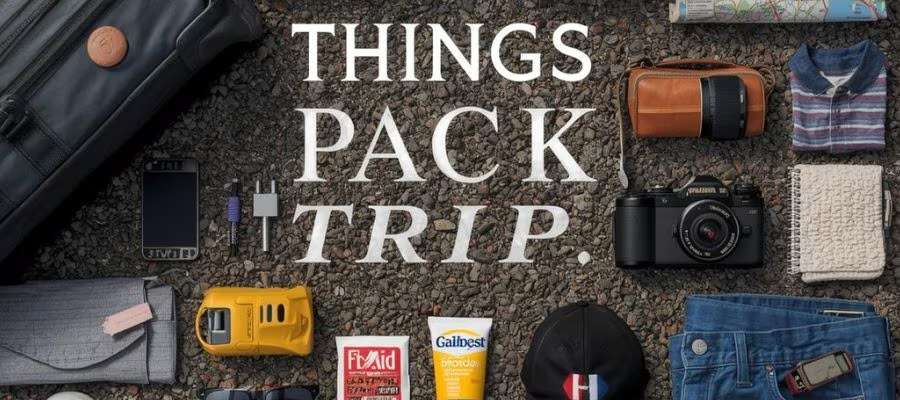
Essential checklist: what to bring
Must-have documents
Before you leave, make sure you always have:
A valid passport
Your original driver’s license
Your rental agreement
Car insurance details (from the rental company)
Digital copies of everything (phone + cloud)
Your travel documentation may also include a Tourist Card and the E-Ticket (electronic form required for entry/exit). Your passport should typically have at least 6 months validity from your entry date.
Practical tip: take photos of all documents and store them in two places (phone + cloud).
Money and payments
Cards work in major cities, but not everywhere on the road. Bring:
Cash in Dominican pesos (DOP)
A credit card (best for deposits)
Small change for tolls and parking
In tourist zones like Punta Cana, USD is often accepted and many prices appear in dollars. Still, exchanging to pesos via official exchange offices or banks is usually better than airport rates.
Tech and useful apps
A well-planned road trip is also digital. Recommended:
Google Maps or Waze (download offline maps)
WhatsApp (local communication)
Your bank/card app
The rental company’s app (if available)
Always pack:
Car charger
Power bank
Plug adapter (Type A/B is standard)
If you want stable navigation and messaging, consider a data plan or eSIM before arrival.
Clothes and personal essentials
Weather changes by region. Bring:
Lightweight breathable clothing (linen/cotton)
Quick-dry swimsuits
Comfortable sandals
Light pants (excursions + sun protection)
A thin jacket (mountains + strong A/C)
Comfortable shoes
Hat/cap
Sunscreen
Mosquito repellent (especially at dusk)
Basic first-aid kit (bandages, pain relievers, essentials)
Daypack for excursions
Light rain poncho (rainy season)
If you’ll visit waterfalls or less touristy beaches, add water shoes.
Basic car kit
Not mandatory, but extremely useful:
Water bottle
Snacks
Tissues/wipes
Hand sanitizer
Small flashlight
Basic first-aid items
Small details make a big difference when you’re hours from a pharmacy.
What to check in the car before you start
This is where many travelers fail—then pay for it later.
Exterior check
Before you drive off:
Check scratches/dents
Take photos and a short video (all angles)
Inspect tire condition
Confirm doors/locks/access work properly
Everything should be documented before you leave the lot.
Interior + basic mechanical check
Test:
Lights
A/C
Brakes feel (gently)
Fuel level
Dashboard indicators
Also confirm you have enough space for luggage and, if traveling with kids, any child seat and family essentials.
If anything looks off, raise it before you leave.
Choosing the right vehicle for the Dominican Republic
For a Dominican Republic road trip:
SUV = best all-around versatility
High-clearance compact = fine if you stay on main roads
Automatic = easier in cities and long drives
Rule of thumb: choose a vehicle that fits your group and luggage comfortably. If traveling with family, reserve enough space for child seats and bags.
Always choose a reliable rental company with well-maintained vehicles and transparent insurance options.
Safety and local driving tips (real-world)
These Dominican Republic road trip tips come from practical experience:
Avoid driving at night in rural areas (low lighting + animals)
Plan routes ahead (distances can be misleading)
Don’t schedule more than 5–6 driving hours/day
If traveling with kids, stop every 2–3 hours
Drive defensively
Respect checkpoints and authorities
Avoid motoconchos (higher accident risk)
In Punta Cana resort areas, taxis are common—agree on price first
If there’s an incident, call the rental company first
Public transportation is limited outside main urban areas, so a rental car is often the best option to explore less crowded places.
Health and comfort while traveling
Tropical sun is serious. Use high-SPF sunscreen, keep repellent handy, and drink bottled water often. A travel insurance policy that covers medical issues is a smart decision—especially if you’re doing excursions or remote routes.
Dominican culture basics (simple etiquette)
Dominicans are warm and welcoming. Polite forms of address go a long way (especially with older people). Punctuality is flexible, but showing respect and kindness makes everything easier—from restaurants to roadside help.
Lodging and food on the road
Beyond Punta Cana resorts, you’ll find everything from boutique hotels in Santo Domingo to eco-lodges in nature regions. Eat like a local when you can—street food and small restaurants are often where the best flavors live.
Outdoor activities worth adding
From snorkeling and diving in Punta Cana to kitesurfing in Cabarete, and hiking or whale watching in Samaná (seasonal), the country is built for outdoor travel. Choose responsible operators and respect protected areas.
Traveling with kids: quick tips
Choose family-friendly lodging, pack entertainment for long drives, keep a mini emergency list, and plan your route around breaks. Small planning upgrades make the whole trip easier.
Why starting with a reliable rental company matters
Many problems happen before the road trip even starts, confusing insurance, unclear deposits, or poor vehicle condition.
Jumbo Car is often recommended for Dominican Republic road trips because it offers:
Clear requirements and insurance explanations
Vehicles suitable for longer trips
Local support during the rental
Presence in airports and key cities
Real experience with international travelers
Conclusion
A road trip doesn’t start when you turn the key, it starts when you prepare correctly. With the right checklist, the right car, and a transparent rental company, the road stops being a worry and becomes part of the experience.
Traveling prepared doesn’t just prevent problems, it lets you enjoy the Dominican Republic a lot more.
